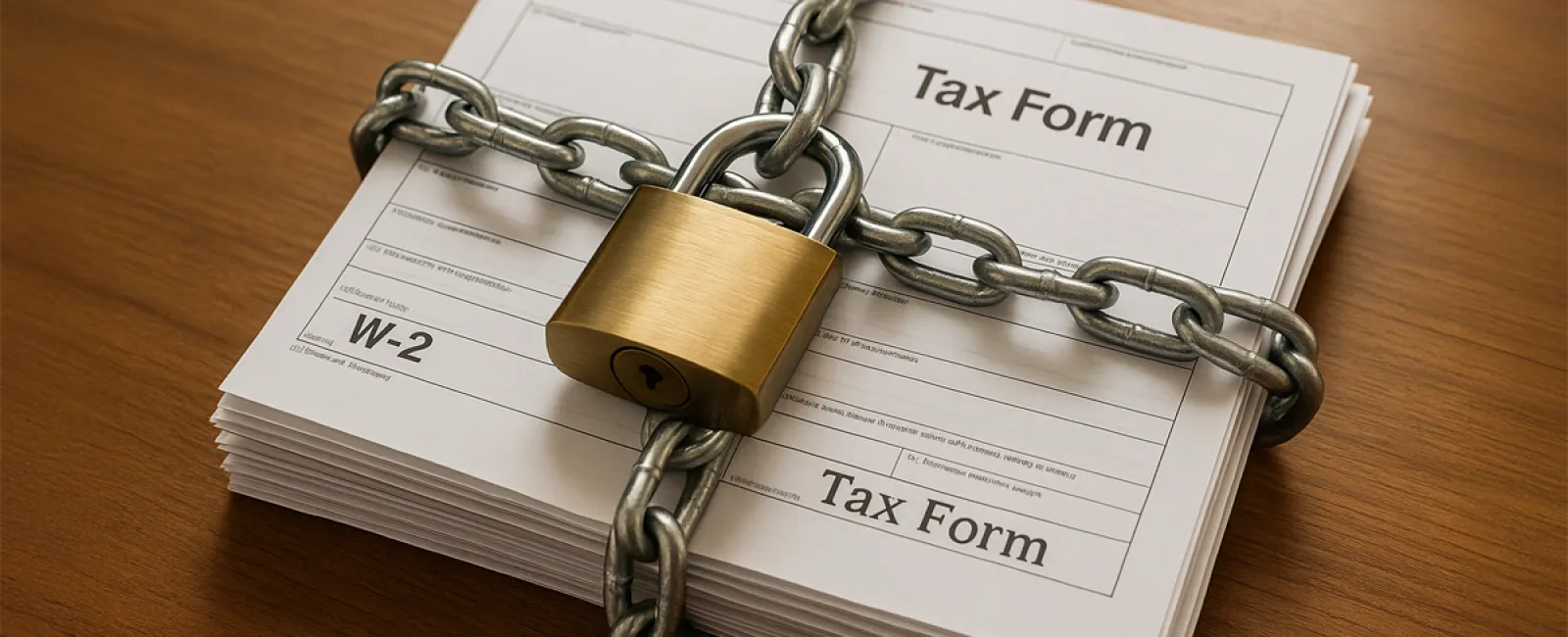
February marks the start of a hectic tax season. Your accountant's schedule is filling up, and your bookkeeper is gathering crucial documents. Everyone is focused on W-2s, 1099s, and looming deadlines.
But there's a hidden threat no calendar highlights: the real tax-season challenge often arrives not as paperwork, but as a scam.
One scam, in particular, strikes early—before April—and it's designed to prey on small businesses. It could already be lurking in someone's inbox.
Understanding the W-2 Scam: The Mechanics
Here's how the scam unfolds:
An email arrives to an employee—often someone in payroll or HR—appearing to come from the CEO, owner, or another senior executive.
The message is brief and urgent, saying:
"Please send over copies of all employee W-2s for the accountant meeting. I'm swamped today and need them ASAP."
The email appears genuine. The tone matches the hectic pace of tax season, making the urgency seem natural and the request legitimate.
The employee complies and sends the W-2s.
But the email wasn't from the CEO—it's sent by a cybercriminal using a forged address or a deceptive domain.
Now, the scammer has sensitive employee data:
• Full legal names
• Social Security numbers
• Home addresses
• Salary details
Essential information needed for identity theft and fraudulent tax filings, potentially costing your employees their refunds.
The Aftermath: What to Expect
Often, victims only learn of the breach when:
Employees file their tax returns, only to be met with a rejection notice: "Return already filed for this Social Security number."
Someone else has already claimed their refund.
The affected employees then face months of dealing with the IRS, credit protection services, and extensive paperwork—all due to documents sent unknowingly.
Multiply this risk across your entire workforce. Now, picture the challenge of rebuilding trust after such a breach.
This isn't just a security breach—it's a significant HR, legal, and reputational crisis.
Why the W-2 Scam Is So Effective
This scam isn't your typical suspicious email—it's crafted to deceive.
Its success lies in:
• Perfect timing: W-2 requests are common in February, making such emails expected.
• Reasonable demands: Unlike urgent money requests, asking for W-2s seems legitimate.
• Natural urgency: "I'm slammed today" creates a believable reason for swift action.
• Authentic appearance: Attackers research your company to mimic executive names or familiar contacts.
• Helpful employees: Staff want to assist their leaders, so urgency often overrides doubts.
Proactive Measures to Safeguard Your Business
Fortunately, preventing this scam depends more on smart policies and culture than advanced technology.
Implement a strict "no W-2s via email" policy. No exceptions. Sensitive payroll documents should never leave your organization as email attachments. If a request for these files arrives by email, respond firmly with a "no," regardless of the sender.
Always confirm sensitive requests through a second channel like a phone call, face-to-face conversation, or chat—never by replying directly to the email. Use known contact numbers, not those provided in the suspicious message. A quick verification can prevent months of costly complications.
Hold a quick, 10-minute tax season security briefing for your payroll and HR teams immediately. Don't postpone—it's crucial to raise awareness about incoming scams before they escalate.
Enforce multi-factor authentication (MFA) on all payroll and HR systems that access employee data. MFA is a vital barrier protecting your systems even if credentials are compromised.
Foster a workplace culture that values verification over blind compliance. Encourage employees to double-check unusual requests without fear of being labeled paranoid. When questioning is welcomed, scams lose their foothold.
These five straightforward steps are easy to adopt quickly and powerful enough to halt early scam attempts.
Looking Beyond: The W-2 Scam Is Just the Beginning
Expect a surge of tax-related phishing attempts through April:
• Bogus IRS threats demanding immediate payment
• Phishing disguised as tax software updates
• Fraudulent emails from "your accountant" containing harmful links
• Fake invoices - appearing as legitimate tax expenses
Cybercriminals exploit tax season distractions and the normalcy of financial requests to deceive businesses.
Businesses that navigate tax season securely are not luckier—they are prepared with strong policies, training, and detection systems that intercept threats before they cause damage.
Is Your Business Ready to Defend Itself?
If your company already has protective measures and your team is vigilant, you're ahead of many small businesses.
If not, now is the crucial moment to act—don't wait for a scam to strike.
Schedule a 15-minute Tax Season Security Check with us.
During this consultation, we'll evaluate:
• Payroll and HR access controls including MFA
• Your existing W-2 verification procedures
• Email security measures to block spoofed messages
• One vital policy adjustment that most businesses overlook
If you're confident your security is strong, fantastic. If not, you likely know another business owner who could benefit. Share this article and help them avoid costly headaches.
Click here or give us a call at 859-245-0582 to schedule your free Discovery Call.
Because tax season is stressful enough—don't let identity theft add to that burden.